
FAQs
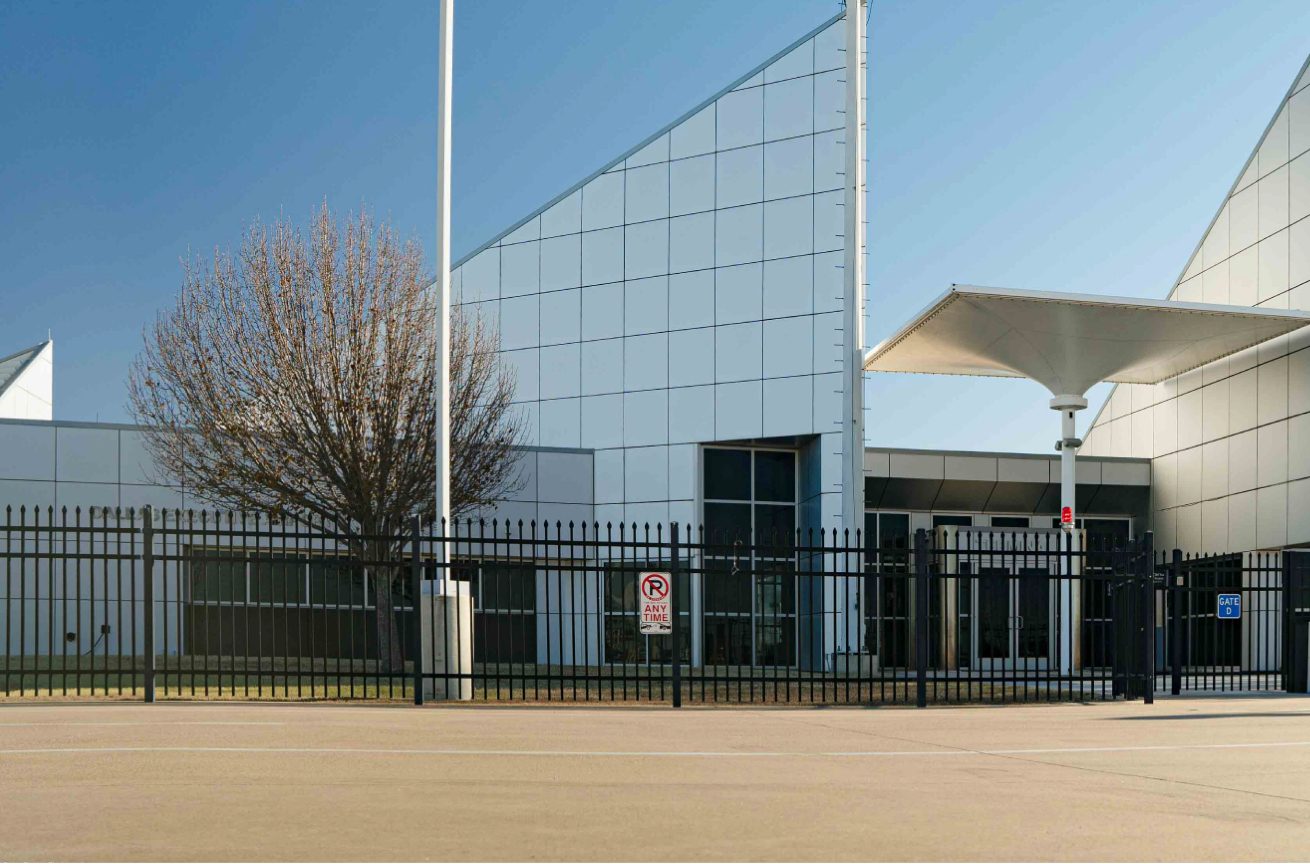
Dallas Executive Airport is located at 5303 Challenger Dr. Dallas, Texas 75237.
You can get here using U.S. 67, exit onto Hampton Road, go north, turn left onto Challenger and proceed to the Terminal Building. For additional information or to get directions to a specific business on the airport, please call an airport staff member at (214) 670-7612 during our available hours 8:00 a.m. to 5:00 p.m. CST.
The main terminal and fixed base operators (FBOs) provide parking for aircraft using Dallas Executive Airport. Information must be obtained from the aircraft operator as to which FBO they intend to use. The FBO’s currently operating at Dallas Executive are:
Ambassador Aviation, L. P.
5435 Saturn Dr., LB 12, Dallas, TX 75237
(214) 623-8800
Jet Access
5303 Challenger Drive, Dallas, TX 75237
(817) 532-5080
No, tax dollars are not used for projects at Dallas Executive Airport. The Aviation Department is part of the enterprise fund, not the City’s general fund. This means all money spent by the Aviation Department is generated through Airport Revenue, FAA Funding, and TxDOT Funding. Our Runway Reconstruction Project was funded through a TxDOT 90/10 grant. In other words, TXDOT paid for 90% of the project and the City of Dallas paid the remaining 10%. The City’s 10% portion came from revenue generated through the Dallas Airport System.
There are many contributing factors that determine which runway will be used. In general, an aircraft must take off and land going in the direction wind. Therefore, the runway being used is based almost entirely on the direction of prevailing winds. However, operational necessity, safety, and the presence of other aircraft are other factors that could determine which runways are being used. We also take the type of aircraft, fuel load, and temperature to make our determinations.
Aircraft operating at RBD has a diverse range of noise levels. These noise levels primarily depend on the type of engine used by the aircraft, air density, temperature, size and age of the aircraft, and whether the aircraft is taxiing on the airfield, landing, or taking off. A departing aircraft tends to be loudest due to the pilot applying full thrust to the aircraft’s engine. Newer aircraft have a lower noise threshold, as they are federally mandated to have lower emissions.
Federal Aviation Regulation 91.119 states that Aircraft flying in congested areas are required to be at least 1000’ above the highest obstacle within a 2000’ radius, except during take-off and landing. Law Enforcement and Medical Emergency Aircraft are the only types of aircraft that are granted waivers to operate outside of these regulations. Aircraft often perform practice landings and touch and gos, this may be why you see increased air traffic activity over your home.
As an airport operator, the City of Dallas does not have jurisdiction over aircraft in flight or their altitudes. The FAA prohibits any airport operator from restricting airspace usage.
The Airspace is never closed and RBD is available 24 hours a day, only closing runways during hazardous weather. The control tower operates from 7a.m. – 9 p.m. 365 days a year. When the tower is not operational, the airport goes to an uncontrolled status meaning pilots arriving and departing announce their intentions over a commonly used frequency.
We’ve posted signs and asked pilots to use their aircraft’s best rate of climb. We request that they gain altitude as quickly and as safely as possible when taking off to be a good neighbor over surrounding neighborhoods.
Atmospheric conditions have a major impact on aircraft noise. The reverberation of sound waves caused by weather may actually make noises seem louder than they actually are. In other words, aircraft flying at altitudes that would normally produce no noise could actually produce noise. Common factors responsible for this phenomenon include:
- Temperature variations
- Wind speed and direction
- Ambient air temperature
- Humidity and precipitation
- Cloud cover and height of cloud cover
When it comes to noise during the night, noise events seem louder because the ambient noise is lower than during the day. More noise events may be noticed at night compared to daytime hours when there exists a higher ambient noise.
Noise complaints can be submitted through this form here or by emailing AVINoise@dallascityhall.com.
Three-character IATA code is RBD
The four-character ICAO code is KRBD
Airport Administrative hours are 6:00 am – 9:00 pm
Airport Runways are operational 24 hours daily
Control Tower operational hours 7:00 am – 9:00 pm
Rental services are provided through our Fixed Based Operators (FBOs). Please contact them for further information:
Ambassador Jet Center – (214) 623-8800
Dallas Jet – (817) 532-5080
We are owned and operated by The City of Dallas – Department of Aviation.
We offer free ramp space and terminal options. To rent hangar space, please contact our Fixed Based Operators:
Ambassador Jet Center (214) 623-8800
Jet Access (817) 532-5080
Yes, the Take Off Bar & Grill is opening soon.
Monday – Tuesday: 8:00 am – 10:00 pm
Friday – Saturday: 8:00 am – 11:00 pm
Sunday – 10:00 am – 9:00 pm
214-837-7499
Takeoff.bargrill@gmail.com
Yes, we use the Dallas Police Department for all security needs.
No, we do not.
Real Estate and Development
For real estate and development opportunities, please contact the Department of Aviation Property Management.